 Corporate News
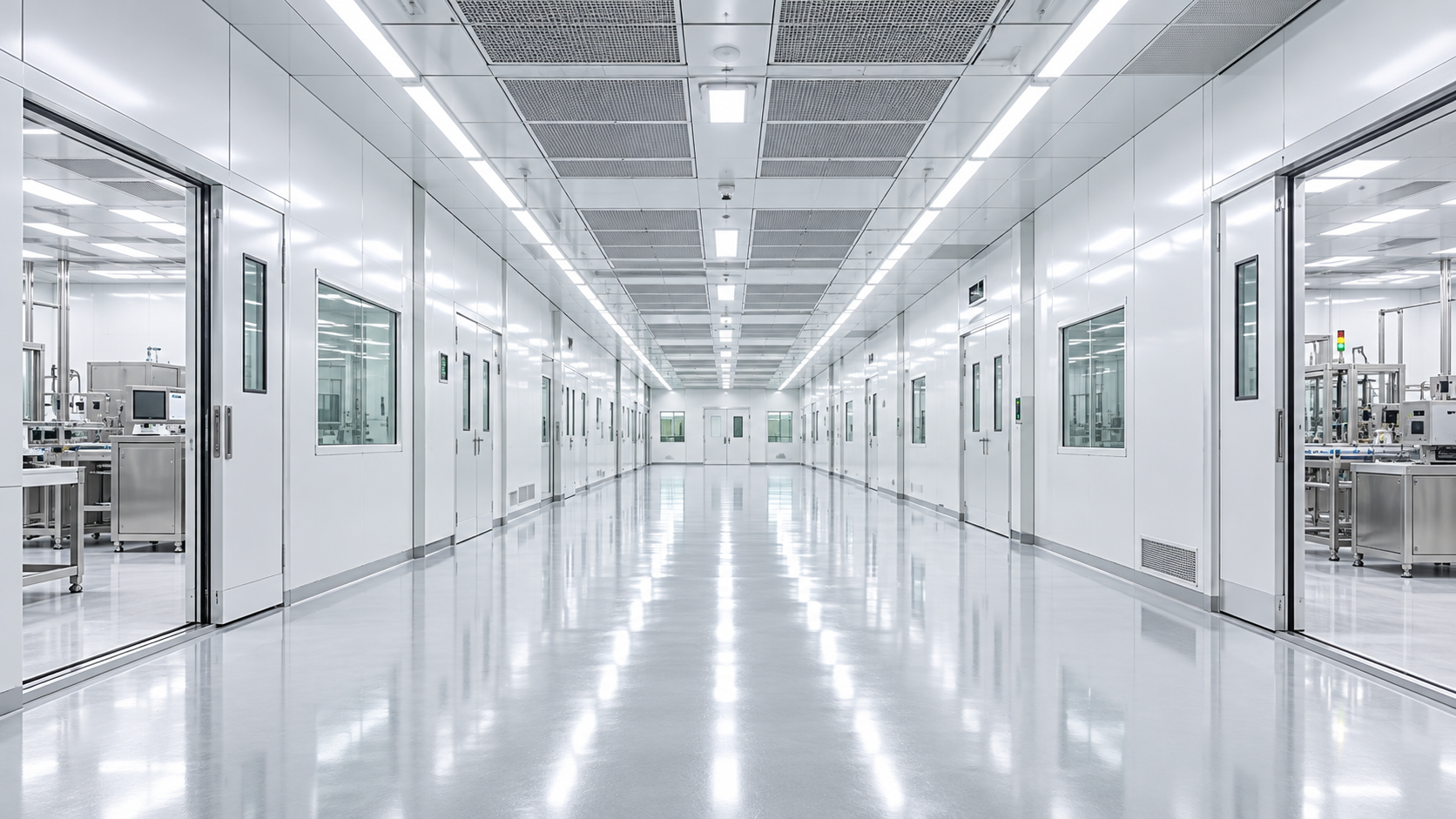
The growth of AI, Data Center and advanced electronics industries is increasing demand for components and technologies that must be manufactured with precision, from electronic devices to photonics, which uses light to transmit data. These processes require controlled environments, making the Cleanroom an essential part of manufacturing infrastructure.
A Cleanroom is an area in which airborne particle counts, as well as temperature, humidity, pressure and airflow, are controlled according to the requirements of the manufacturing process. It does not necessarily have to be a sterile area. The pharmaceutical and medical industries may need to control microorganisms and contamination, while electronics factories place importance on particles, temperature and humidity. Before a cleanliness level is specified, it is necessary to know which factors the product is sensitive to, how much heat or how many particles the machinery generates, and what each area is used for, so that this information can be translated into technical requirements suited to actual production.
The challenge lies in making the heating, ventilation and air-conditioning (HVAC) system, air filtration system, electrical systems, utilities, control systems, and the architectural work and materials all work together. A change in airflow direction can affect pressure inside the room, while heat from machinery affects the cooling load. The design must therefore consider the interactions between systems from the outset, including equipment layout, service routing and maintenance space, so that the engineering requirements are achievable both during construction and once the facility is in operation.
As a Multi-Disciplinary EPC Contractor, Italthai Engineering brings together multiple engineering disciplines to plan and manage work under a single project, so that the various systems support the manufacturing process and the client's specific requirements in a consistent manner.
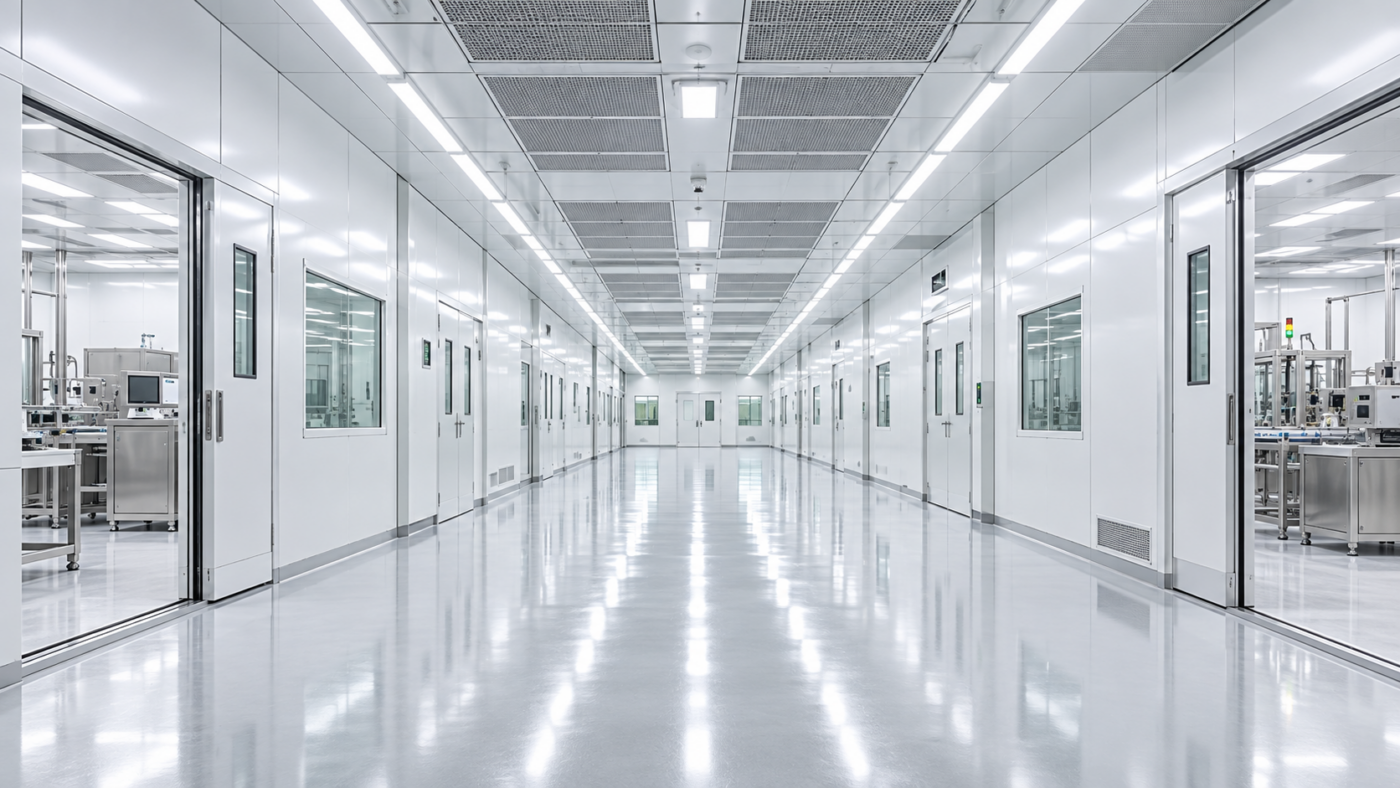
In advanced electronics manufacturing, dust and tiny particles can cause defects in workpieces, while temperature and humidity affect process consistency. The ISO 14644-1 standard classifies cleanliness levels by the number of airborne particles, and the level must be selected to suit each area and production step.
Italthai Engineering is currently working on an advanced electronics factory project with Cleanroom areas of ISO Class 6, 7 and 8, which support the differing requirements of the manufacturing process. The project requires the coordination of multiple engineering disciplines under standards for safety, operations and system precision, taking into account the interrelationship of the air systems, electrical systems, utilities and building works to suit each level of area.
The company also has experience delivering Cleanrooms for a face mask factory, as well as work on pharmaceutical, food and nutrition projects, where it handled the preparation of the areas and the related engineering systems to support the subsequent development of the Cleanroom. This experience shows that Cleanroom requirements must be adapted to the process and standards of each project.
Cleanroom work does not end once construction and system installation are complete. It must undergo Testing & Commissioning to confirm that the specified values can be maintained, including airborne particle counts, temperature, humidity, pressure and airflow direction, as well as the performance of the filtration and control systems.
For a Cleanroom, what matters is therefore not only what is specified in the design, but also performance that can be measured and verified in practice, ensuring that the areas and systems are ready to support the manufacturing process in line with the project requirements.
The Testing and Commissioning of a Cleanroom stage checks and verifies that the various conditions conform to the designed standards, as follows:
Assurance backed by verifiable measurement results gives operators confidence that the areas and engineering systems are ready to support actual production lines safely.
Specifying cleanliness levels more stringent than necessary can increase investment cost, energy consumption and maintenance expenses. An efficient Cleanroom must therefore balance production quality, safety, investment and long-term use.
With more than 59 years of experience in engineering across many industries, Italthai Engineering begins by understanding the client's manufacturing process and business goals before linking the design, installation and testing of every system together, in order to deliver a Cleanroom that performs to specification, uses resources appropriately and creates long-term Optimum Value.
With more than 59 years of experience in engineering across a wide range of industries, Italthai Engineering is ready to understand the client's manufacturing process and business goals, in order to link factory Cleanroom design, installation and testing and commissioning together seamlessly, helping to use resources cost-effectively and create the highest Optimum Value for your business.
More News